Independent research-informed practice project

Researching multilingual literacy through practice.

Ko-read explores how multilingual children develop Korean literacy across languages, texts and contexts — and how research-informed ideas can be translated into meaningful educational practice.

Ko-read는 다언어 환경의 아이들이 언어·텍스트·맥락을 오가며 한국어 문해력을 어떻게 발달시키는지 탐구하고, 연구에 기반한 아이디어를 실제 교육 현장과 연결하는 프로젝트입니다.
A bridge between research, practice and families.

Ko-read is not a tutoring marketplace or a formal research centre. It is a space for developing, applying and reflecting on research-informed approaches to multilingual and heritage-language literacy.

ResearchDesignPracticeReflection
About Ko-read

Literacy develops across more than one place.

Multilingual children do not develop literacy in one language, one classroom or one context. Ko-read considers how reading, writing, identity and engagement develop across home, school, community and digital spaces.다언어 아동의 문해력은 하나의 언어, 하나의 교실, 하나의 환경에서만 발달하지 않습니다. Ko-read는 가정, 학교, 커뮤니티, 디지털 공간을 오가며 읽기·쓰기·정체성·참여가 어떻게 형성되는지에 주목합니다.

01

Home

Family language practices, shared reading, media use and the everyday conditions that shape heritage-language development.

02

School

How multilingual learners' literacy experiences connect with formal learning, curriculum expectations and classroom practice.

03

Community

Heritage-language schools, parent networks and community spaces that sustain meaningful language use and belonging.

04

Digital spaces

How media, online interaction and digital narratives can support language experience, engagement and identity.

Research focus

Questions that connect language, literacy and lived experience.

Ko-read is grounded in research on multilingual development and heritage-language learning, with particular interest in how literacy is experienced, supported and sustained beyond the classroom.

Multilingual literacy

How literacy develops across children's languages, contexts and changing communicative needs.

Reading & meaning-making

How learners move from decoding toward comprehension, inference, interpretation and response.

Identity & engagement

How emotion, enjoyment, agency and multilingual identity shape sustained participation in language learning.

Home–school connections

How family practices and educational settings can work together to support meaningful literacy development.

Research → practice

Research is most useful when it can travel into practice.

Ko-read provides a space to develop an idea, translate it into educational design, observe how it works in practice, and refine it through reflection.

Researchquestions & evidence
Designprogrammes & resources
Practiceimplementation
Reflectionlearning & refinement
Practice projects

Where research-informed ideas are put to work.

Rather than positioning teaching as a separate commercial service, Ko-read treats educational programmes as sites of practice: places to design, apply and refine approaches to heritage-language literacy.

Literacy development

Korean Literacy Programme

A structured pathway connecting decoding, reading fluency, comprehension, vocabulary, interpretation and written expression.

  • Hangul foundations & fluency
  • News, nonfiction & literary reading
  • Writing from sentence to extended composition
School implementation

Cambridge Korean School

An original literacy programme developed through Ko-read was introduced into teaching at Cambridge Korean School, translating programme design into classroom practice.

Identity & language reflection

Heritage Language Metro Map

A visual multilingual-identity activity designed to help heritage-language learners map how languages connect across home, school, community, digital and inner worlds.

Family & community

KHLC

Korean Heritage Language Community is a parent and caregiver community within Ko-read, connecting family experience with research-informed ideas about heritage-language development.

KHLC

Korean Heritage Language Community

For parents and caregivers raising Korean heritage-language children in multilingual contexts.

Families are part of the literacy ecology.

Heritage-language development happens in ordinary family life: through conversation, books, media, routines, relationships and decisions about when and how Korean is used. KHLC creates a space for parents and caregivers to share experience, access research-informed resources and reflect on what is realistic and meaningful for their own families.

헤리티지 언어의 발달은 가정의 일상 속 대화, 책, 미디어, 생활 습관, 관계와 선택을 통해 이루어집니다. KHLC는 부모와 보호자가 경험을 나누고, 연구에 기반한 자료와 아이디어를 접하며, 각 가정에 맞는 현실적이고 의미 있는 언어 환경을 함께 생각하는 커뮤니티입니다.
Research-informed resourcesAccessible ideas drawn from heritage-language, literacy and multilingualism research.
Parent & caregiver dialogueA space to share questions, experiences and practical strategies without a one-size-fits-all model.
Home literacy practicesReading, media, writing and language routines that can fit naturally into family life.
Community learningWorkshops, discussions and future resources connecting families, educators and research.

Stay connected with KHLC

Join the KHLC mailing list for research-informed resources, practical ideas for supporting Korean at home, upcoming workshops and community updates.KHLC와 함께하고 싶으시다면 메일링 리스트에 참여해 주세요. 가정에서의 한국어와 문해력 지원에 도움이 되는 연구 기반 자료, 실천 아이디어, 워크숍 및 커뮤니티 소식을 보내드립니다.

Join the KHLC mailing list
Knowledge exchange

Sharing research and practice beyond one classroom.

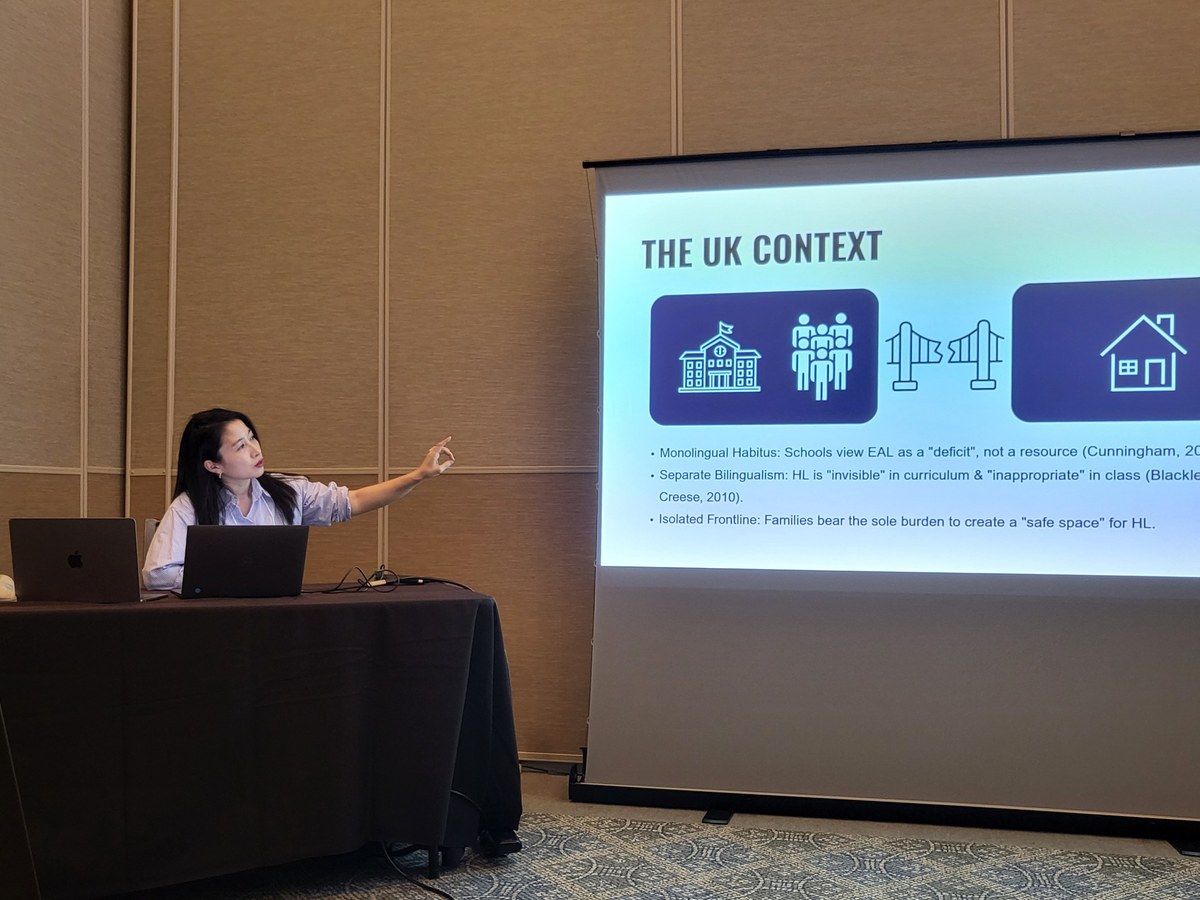
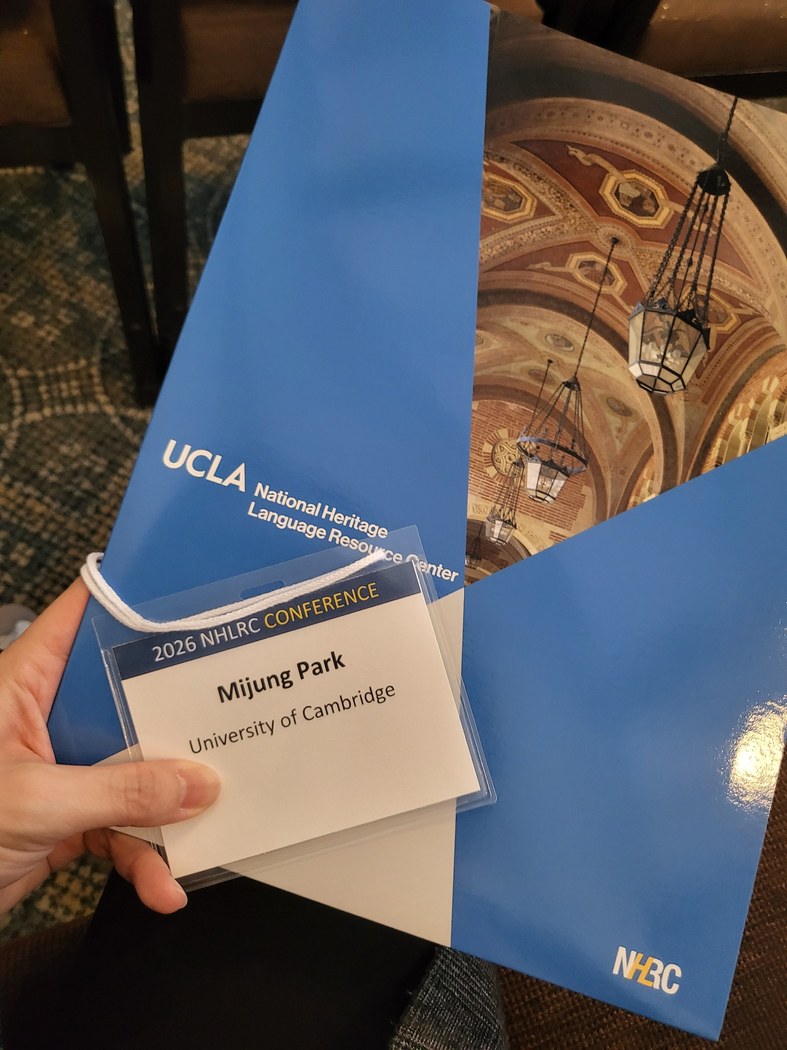
Ko-read also supports knowledge exchange through conference participation, teacher learning, presentations, programme implementation and professional dialogue around heritage-language education.

Presentation on the UK context of heritage-language education
Teacher learning · UK

Korean literacy education case presentation

Practice-based presentation for Korean-school educators, focused on heritage-language literacy development, the UK context and classroom application.

Programme development

Research-informed school practice

Development and implementation of literacy materials and programmes connecting reading, comprehension, vocabulary, identity and writing.

Professional dialogue

Research, families and educational practice

Ongoing exchange around how heritage-language research can inform realistic support for multilingual learners, educators and families.

Selected research

Academic work informing the project.

Ko-read draws on ongoing research into heritage-language learning, multilingual literacy, home language experience and learner engagement.

Research profile

MJ Vivian Park's work examines how children growing up across languages develop vocabulary, literacy, identity and engagement, with particular attention to heritage-language learning and the role of home and digital environments.

University of CambridgeMPhil in Education — Research in Second Language Education.
Research-to-practice orientationAcademic research translated into literacy programmes, pedagogical resources, teacher learning and family-facing ideas.
Current directionDoctoral research in Education beginning October 2026, extending work on multilingual children, digital narrative engagement and home/school contexts.
Language and Education · 2026

Strategic media exposure at home: A quasi-experimental study to support vocabulary development and language enjoyment among Korean heritage language learners

This study examines home-based media exposure, vocabulary development and language enjoyment among Korean heritage-language learners in the UK.

Read publication
Founder · Researcher-practitioner

MJ Vivian Park

Heritage-language researcher and educator working at the intersection of multilingual literacy, home language experience, digital learning and educational practice.

About the founder

Researcher. Educator. Programme designer.

MJ Vivian Park founded Ko-read as an independent research-informed practice project connecting academic work with the realities of multilingual children, families and educational settings.

Her work combines research in second language and heritage-language education with programme design, classroom implementation, teacher development and family-facing literacy support.

Heritage Language EducationMultilingual LiteracyHome LiteracyDigital Language LearningReading & Writing DevelopmentResearch-to-Practice
Connect with Ko-read

Research, practice and community.

Ko-read welcomes conversations around heritage-language education, research-informed practice, family literacy, teacher learning and collaboration.

koreadcambridge@gmail.com